
“I can contact 2,000 prospects with the push of a button.”
Oh, really?
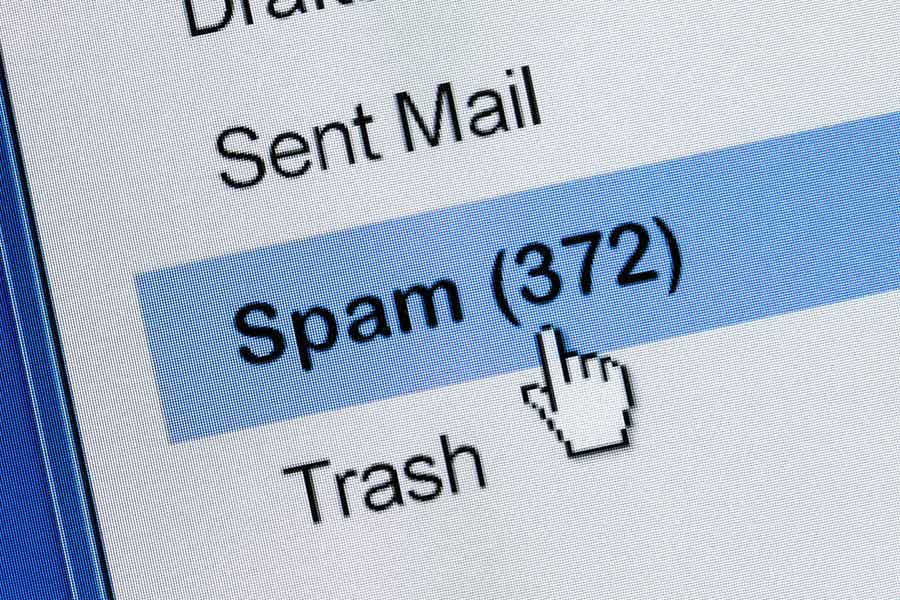
If that is your planned giving “strategy,” you are not doing outreach — you are doing spam. You are basically using spam for your planned giving marketing efforts. Your prospects know it, and they react accordingly.
You have probably experienced this yourself: an inbox so overloaded that you delete messages in self-defense. Your prospects — the very people you need to reach as a planned giving professional — react the same way.
Back in 1999, we advocated mass emailing your prospects. At the time, that was the right move.
Why Planned Giving E-Marketing Has Changed
But times have changed.
Today, some vendors still promote weekly generic emails to prospects and financial advisors as “best practice.” We even addressed this trend years ago in the Journal of Gift Planning, because it was already heading in the wrong direction.
If you insist on using e-Marketing, at least follow industry standards and do real research first. Automated systems are not a shortcut in planned giving; too often, they are a direct route to the spam folder.
Donor E-Newsletters: Advantage or Liability?
Take donor e-newsletters, for example. They have become a popular Internet product in the planned giving industry. Vendors offer “turnkey” newsletters that are automatically mass e-mailed to your prospects on a regular basis, sometimes as often as weekly. They plug your logo into a header and footer and provide the content.
It sounds efficient. It is not.
Promotional material automatically mass mailed at mechanical intervals looks and feels like spam:
- Especially when people never clearly signed up for it.
- Especially when it lands every week like clockwork.
- Especially when images and headers break, making you look unprofessional.
The definition of spam has shifted. Today it is often: “a series of emails I once gave them permission to send to me.” Most of us read email with a finger on the delete key. Your donors do the same.
Why Generic Donor E-Newsletters Feel Like Spam
The fatal flaw in most planned giving email marketing is the content.
Canned donor e-newsletters are built on generic, cookie-cutter information — mild gift-planning summaries and lukewarm investment tips. They must be generic, because the content is reused across multiple organizations.
Prospects quickly notice that:
- The same content appears from different charities.
- It is dry, uninteresting, and easy to ignore.
You also miss a major advantage: the special relationship your organization already has with its constituents. Instead of strengthening it, you dilute it with noise.
And you may lose their attention. Permanently.
Planned Giving Email Marketing: What Actually Works
Here is how we recommend using email marketing for planned giving today:
- Do not trust automated e-marketing systems. They may work for Dell. They do not work for legacy gifts.
- Send just 4 emails per year — no more than 6.
- Let your mission drive every message.
- Use a compelling subject line (avoid “Summer Issue 24” and similar fillers).
- Keep the copy short: 10–20 lines.
- Hyperlink to longer articles on dedicated landing pages.
- Personalize each email (“Dear Elizabeth”) with mail-merge.
- Most importantly, do not use a bulk mailer that turns you into just another blast.
Mission-Driven Email Fundraising Beats Rates and Offers
To set your e-marketing apart and capture donor attention, focus on mission-driven email fundraising, not interest-rate chasing or technical features.
Examples:
- Profit-driven message: “Give now to lock in great rates!”
- Mission-driven message: “Your special legacy to our institution enables us to further the goals we support, together, into the future.”
Which one feels more authentic? Which one respects the donor? Which one fits a serious planned giving conversation?
Mission-driven email fundraising outperforms profit-driven messaging every time. Your donors see it as real communication, not canned marketing served up by a machine, and they stay open to your message.
A Web-Centric Strategy for Planned Giving E-Marketing
Mission-driven email is a core part of our Web-centric approach to planned giving marketing. Short, personalized emails drive people to focused landing pages, where you can present deeper content, videos, and donor stories without overwhelming their inbox.
This approach also protects you from classic blunders — such as sending a tone-deaf, pre-scheduled message right after a crisis, a breaking headline, or a local tragedy. Automation cannot sense context. Humans can.
If you want email to work, use it as a bridge — not a dumping ground. Earn attention. Keep it. Then guide donors to the next step with clarity and restraint.
In planned giving, “more” is rarely better. Better is better.