
Bequests

Fundraisers and Donors: You Had Me at Bequest
The relationship between fundraisers and donors is like dating. And, just like the dating world, in fundraising, there are duds, and there are keepers. Which kind of fundraiser are you?

The relationship between fundraisers and donors is like dating. And, just like the dating world, in fundraising, there are duds, and there are keepers. Which kind of fundraiser are you?


In today’s economic environment, a legacy planned giving initiative helps you tap the hidden enormous potential of your loyal donors and transform the growth trajectory of your organization.
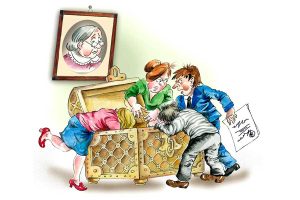
You know the saying, “The only two things certain in life are death and taxes.” Even after your lifetime, there are many taxes you can avoid. When it comes to taxes and funeral expenses (your final invoice), planning now will go a long way to help your family and friends.

The plain, unvarnished truth is that traditional wealth screening tools simply do not work in planned giving. Here’s why nonprofit loyalty matters – and how you can gain it for your nonprofit!

The congregation sighs and settles in for what the pastor knows is actually their least favorite Sunday. “Please take a look at the insert in your bulletin,” he continues. “You’ll see that we didn’t meet our budget again this year.” His audience knows where this is going: The church is struggling to accomplish its mission, but the congregation is not pulling its weight in terms of monetary contributions.

Don’t let legislation paralyze your planned giving marketing efforts.

Your donors will be asking about SECURE, so you’d better know the facts and be ready with the answers — all of the answers. You need to position yourself as an expert resource.
Fundraising professionals focus on income as a measure of giving ability. The worried fundraiser thinks this way. “The prospective donor won’t give, because she won’t save money by being charitable. I won’t raise enough money to make my annual goals. My charity won’t accomplish its mission, and I’ll lose my job. What am I going to do?”
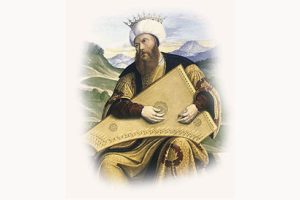
Most “experts” place the practice as having been birthed in the 1970s — or maybe as far back as the ’40s. So it’s safe to say the first planned gift must have been made sometime in those decades. Right?


Do you know how to tap into a donor’s motivation to give? Have you nailed “the Passion Question?”
Free Online Will & Estate Planning Tool for Charitable Giving
A donor-facing estate planning tool designed to help document charitable intent.
For those who drive change — not watch it. Join the top 1%.