Give & Take

Give & Take offers original insight on planned giving, donor behavior, and nonprofit strategy—written for fundraisers, executives, and advisors who want clarity, not noise.

Editorial content is produced internally or by invitation. Guest contributors may apply.

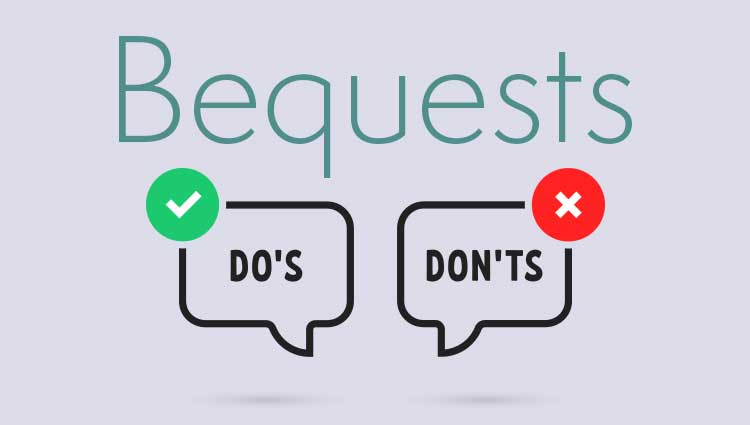
A picture of the word "Bequests" above two thought bubbles containing the words "Do's" and "Don'ts," to illustrate a PlannedGiving.Com blog about securing estate gifts and securing bequests for your planned giving program.

Estate gifts, also known as planned or legacy gifts, are a vital component of many nonprofits’ fundraising strategies. Soliciting bequests or estate gifts can significantly impact an organization’s financial sustainability and long-term success. However, soliciting estate gifts requires a delicate and thoughtful approach to ensure that donors feel respected, valued, and inspired. Here are some essential Dos and Don’ts to guide your nonprofit’s fundraising and planned giving efforts.


Estate Planning Goals Illustration: property disposition, charity, life insurance, living will, trust, succession planning

Let's face it: Estate planning isn't exactly a dinner table conversation starter. But trust me, it's one of those adulting tasks that's way more important than we often give it credit for. So, what's all the fuss about?

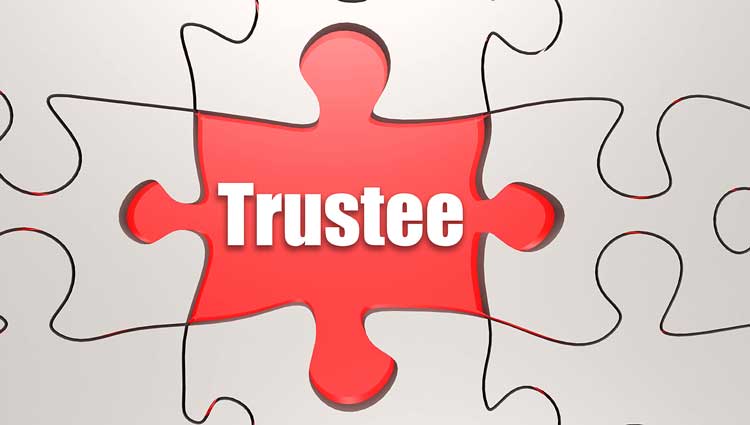
A picture of the word "trustee" as a jigsaw puzzle piece, to illustrate a blog explaining the difference between a trustor and a trustee.

In the realm of estate planning and trust management, the terms "trustor" and "trustee" are often used. However, many people find it challenging to differentiate between these two roles. Both the trustor and trustee play critical parts in the creation and management of a trust, but their responsibilities and functions are distinct. This article aims to clarify the differences between a trustor and a trustee and provide an in-depth understanding of their respective roles.

A cartoon illustration of man shouting to a town, to illustrate a PlannedGiving.Com post on the importance of planned gift reporting.

It may seem silly, but it’s true — and it’s a step many donors forget. A 2019 Special Report from Giving USA found that just 4 percent of donors always report their planned gifts to organizations, and 38.7 percent sometimes inform the organizations.

Older woman handwriting her will

Understand the essentials of holographic wills and why you might need more than just a handwritten will. Learn about their validity, legal requirements, and limitations.

probate court

Probate often carries a reputation for being daunting and intricate. However, this essential procedure plays a critical role in ensuring that a loved one’s wishes are honored after they pass away. Gaining a clear understanding of probate can render the process more straightforward and manageable than it initially appears. Unlock the secrets of the probate process with our comprehensive guide. Learn what probate is, when it's required, and how to navigate it smoothly.

An image of a red heart held between fingertips over a stack of money from a nearby piggy bank, to accompany a PlannedGiving.Com blog on making a gift to a nonprofit from your retirement plan.

Donating from your retirement assets can potentially save your heirs from double taxation. By making a gift to a 501(c)(3) nonprofit, there's no income or estate or inheritance tax due on your retirement plan assets passing to them. Plus, you can also take advantage of the IRA Charitable Rollover or make gifts that count as your RMD. And the best part? You can make a big impact on a cause you care about while investing in your own legacy and long-term happiness. Find out more about the benefits of donating from your retirement plan.

A picture of two white women sitting at a desk and chatting, to illustrate a PlannedGiving.Com post about having an effective planned giving conversation.

Talking to donors about planned giving can be a game-changer for your nonprofit’s future. Planned giving, or including a charitable gift in a will or trust, provides a powerful way for supporters to contribute without impacting their everyday finances. Despite its potential, initiating conversations about legacy giving can be challenging. How do you bring up the topic without feeling awkward or intrusive? How can you convey the profound impact of such gifts while making the process simple and appealing?

Numbers Don't Lie

A new report from Giving USA shows that despite charitable giving reaching a new high for 2023, inflation took a hefty toll. It proves what we've been saying all along: Planned giving works, and it's a lifeboat in the stormy waters of inflation.

Gathered family and children with dog in the middle all sitting on a sofa

Over 60 percent of all Americans are missing a critical legal document: Their last will and testament. While there are a lot of important reasons to create a will and keep it updated, here are the Top 10.

Handwriting note late at night by candlelight

A lot of donors are leaving undistributed assets in their DAFs — defeating the intent of a donor-advised fund. What's the solution before a government crackdown? Here are some answers.

Everyone Has a Story - Movie Board

First-hand accounts back it up. The data proves it. And numbers don’t lie. But despite hearing over and over again that donor stories sell, they still remain one of the most under-utilized tools in planned giving.

Legacy Planner Logo

Making Estate Planning Accessible, Simple, Personal, Secure and FREE!

Bequests are up, cash is down. Empower your donors to plan their will and invest their legacy in the cause they support the most.

>

Please reach out. Note: if you give us your mailing address (or PO Box), we’ll send you a complimentary Planned Giving Gift Comparison Chart. 

Please select:
How did you hear about us?