The nonprofit world needs more Debs—people who say it like it is, who recognize planned giving is for average ordinary people, who aren’t afraid to say the hard things when they need to be said.


The nonprofit world needs more Debs—people who say it like it is, who recognize planned giving is for average ordinary people, who aren’t afraid to say the hard things when they need to be said.

Did you know that people now have shorter attention spans than... goldfish? As wild as that sounds, there was a study by Microsoft suggesting just that. Whether it’s true or not, one thing is clear: human attention spans are short. This creates a big challenge for anyone trying to build an online presence for their giving programs.

A client told me recently that we should be publishing more about what’s NEW in planned giving. Seems reasonable, right? Everyone likes new stuff. We all want to know the trends, be on the cutting-edge, sound knowledgeable at professional events.

Storytelling is your nonprofit’s most powerful marketing tool. But everyone else is using it, too. If you want to stand out from the crowd, you need storyselling—a strategic form of storytelling designed to motivate your donors and prospects to action.

People who frequently say “no” value safety and predictability. Nothing wrong with that. But their growth will be slow, and their success will be limited. People who say “yes” value adventure and new experiences. Their growth will be faster and their success, over the long term, will be higher.

Forget what you've heard about planned giving. Just do the math. Baby Boomers, who are among the wealthiest and most charitable Americans, are dying at a rate of about 6,000 per day. And unless your nonprofit has a planned giving program, that means about $6 billion in estate dollars is being lost every day. Unless you’re planning to fail, it’s time to reprioritize that marketing budget. By the way, we also "explain" what's a billion. It's an eye-opener.

Learn how to write a simple will, including the cost and examples. Ensure your assets are distributed according to your wishes with a straightforward guide.

Nonprofits did not do well last year, and you wonder why. I recently came across a job listing that read something like this: “[A nonprofit] is seeking a planned giving advisor. This is a junior position for a fundraiser with 3 or so years of experience who wishes to move into planned giving. Focus is on bequests, CGAs, and marketing.” Now, for those of us who have been in the trenches of planned giving for a while, that one little word—junior—jumps off the screen. Not because there’s anything inherently wrong with junior hires (everyone starts somewhere), but because of what that label suggests in the context of planned giving fundraising. In fact, a response I saw to this posting was quite blunt: “Hiring a junior person for a planned giving program is a guarantee of underperforming … a recipe for failure.” Why? Not due to some prejudice against younger or entry-level
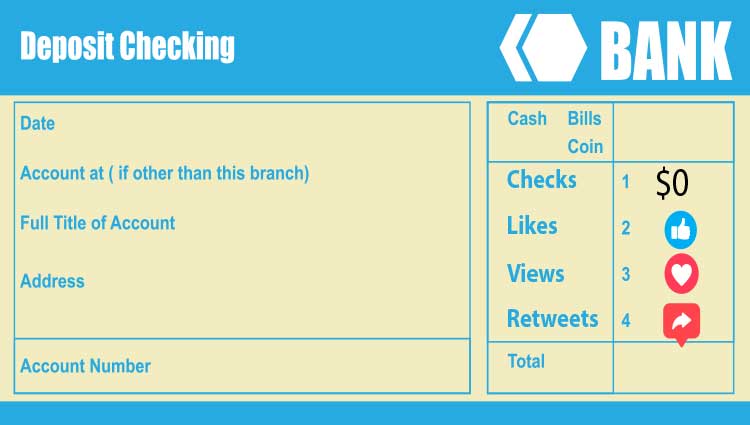
You’ve seen it before: a nonprofit posts about a successful event on its Facebook page (or LinkedIn, or Twitter, or Pinterest, or…) and racks up thousands of likes and shares. The team high-fives and takes a bow and … then what happens?

Asking an influential member of your community for a large gift is often an intimidating task. While effective donor prospecting can eliminate some of the anxieties involved, tools like a major donor society also go a long way to secure a big ask. Major donor societies provide exclusive, insider access to your highest-dollar donors, generating significant revenue by developing intimate relationships with excellent stewardship.

Learn about the distinct roles of a trustor and trustee in managing trusts. Understand their responsibilities, differences, and how they ensure the trust operates smoothly.

Learn how to create a will without legal assistance. This comprehensive guide provides step-by-step instructions to ensure your final wishes are documented and legally binding.
Making Estate Planning Accessible, Simple, Personal, Secure and FREE!
Bequests are up, cash is down. Empower your donors to plan their will and invest their legacy in the cause they support the most.