CATEGORY

Planned Giving Marketing

Strategies and best practices for communicating planned giving effectively. Covers messaging, content development, digital presence, donor education, and positioning planned giving as a core component of fundraising strategy.

Vaudeville-style couple dressed in vintage costumes, smiling with exaggerated expressions, representing the concept of the 'peanut gallery' and the need for face-to-face fundraising.
Planned Giving Marketing
Viken Mikaelian

Are You Wasting Your Best Pitch on People Who’ll Never Buy?

Most fundraisers waste their best material shouting at the wrong audience—posting, emailing, and calling people who will never give. Like a man ranting on his phone in public, they mistake noise for communication. Real influence happens face-to-face, where tone, body language, and trust come into play. If your message matters, don’t miniaturize it. Skip the peanut gallery. Get in the room, make it personal, and close the gift where real decisions are made.

Read More »
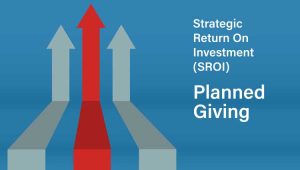
Chart illustrating the strategic return on investment of planned giving and bequest giving
Planned Giving Marketing
Viken Mikaelian

SROI and Planned Giving

S.R.O.I. In today’s competitive fundraising environment, nonprofits must think beyond immediate revenue and consider long-term sustainability. Planned giving is often viewed as a long-term revenue stream, but its true value extends beyond financial returns. By embracing a Strategic Return on Investment (SROI) approach, nonprofits can leverage planned giving not only for revenue but also to build authority, trust, and donor loyalty that lasts generations. The Strategic Return of Planned Giving Higher Gift Values and Lifelong Donor Engagement Planned gifts consistently

Read More »
Hands holding a model house, symbolizing charitable real estate gifts to retirement home nonprofits.
Planned Giving Marketing
Viken Mikaelian

No Risk Real Estate Exchange for Retirement Homes

The No-Risk Real Estate Exchange approach helps retirement communities fill vacancies faster by eliminating the biggest barrier: seniors waiting to sell their homes. Through a structured sale, seniors get immediate cash to cover move-in costs, while the remaining home value becomes a tax-deductible charitable gift. The process is fast, seamless, and zero-risk—funds are secured before move-in and directed into the community’s endowment. Seniors gain peace of mind and flexibility, while communities avoid delays and secure long-term financial stability.

Read More »
Two fundraising executives looking at their planned giving budget on a computer. Has a pie chart from a spread sheet.
Planned Giving Marketing
Viken Mikaelian

Your Planned Giving Budget: A Simple Formula

More and more nonprofits are allocating funds to planned giving marketing, recognizing its power to secure long-term donor support. This quick guide outlines practical numbers for budgeting across small, medium, and larger organizations. Learn how to determine your overall marketing spend and allocate the right percentage to planned giving, ensuring your campaign is well-positioned for sustained legacy donations. With clear examples and proven success stories, this guide empowers nonprofits to strategically invest in their future financial stability for lasting impact.

Read More »
Blocks spelling our funding on a table over economic and financial charts and graphs
Sustainability
Viken Mikaelian

Stop Begging, Start Planning: Why Foundations Are Done Funding Complacent Nonprofits

For too long, nonprofits have relied on reactive fundraising—chasing grants and emergency appeals. Today’s foundations demand more, prioritizing organizations with sustainable strategies over those operating crisis-to-crisis. The $68 trillion wealth transfer presents unprecedented opportunities, but only for nonprofits with modern planned giving programs. As Trump-era policy shifts demonstrated, diversified funding models provide essential resilience. Organizations clinging to outdated methods—like complex calculators and printed newsletters—are losing to those focused on donor relationships and digital engagement. The future belongs to nonprofits that plan strategically, not those that plead desperately.

Read More »
Image of flying envelopes - scattered against a yellow background.
Planned Giving Marketing
Viken Mikaelian

Should Your Planned Giving Postcards Have A Reply Mechanism?

Clients and friends often ask if including a reply mechanism on their planned giving postcards is worth the added expense. It depends on the circumstances, but generally, I do not feel it’s worth it. As we all know, planned giving is a low-response business. So even with the most successful direct mail programs, we see very few reply cards actually filled out and returned. However, this does not mean your information is not getting read. It’s just that most people

Read More »
Picture of a child with hand over head acting confused
Planned Giving Marketing
Viken Mikaelian

The Mind Hates Confusion: How Simplicity Drives Fundraising Success

When donors don’t understand, they hesitate. When they hesitate, they procrastinate. When they procrastinate, you lose gifts. It’s that simple. Eliminate the confusion. Use straightforward language. Make calls to action crystal clear. Focus on the emotion, not the process. And above all, keep it simple. Because the mind hates confusion—and confused donors don’t give. Take a look at your current fundraising materials. Everything. Are they clear? Simple? Easy to act on? If not, start simplifying today.

Read More »
Worried fundraiser gazing into her laptop
Planned Giving Marketing
Viken Mikaelian

The Worried Fundraiser

Political shifts spark fundraising panic, but it’s not the end of the world. Every politician exaggerates, and tax laws change—like the SECURE Act and the Tax Cuts and Jobs Act—but nonprofits with a strategic, balanced approach thrive regardless of who’s in office. Planned giving is the key to stability, shielding organizations from volatility and donor hesitation. Fear repels donors; confidence attracts them. History proves planned gifts endure economic downturns. Now is the time to act—secure commitments, diversify funding, and plan ahead. Stop worrying and start building a future that isn’t dictated by political tides.

Read More »
Stairs depicting moving donor through stages of moves management
Planned Giving Marketing
Joe Garecht

Using Moves Management: A Step-by-Step Guide to Cultivating Major Donors

Nonprofits often struggle to turn sporadic donors into committed major givers. Moves management offers a solution—a systematic approach that plans and tracks every interaction, or “move,” to guide donors from interest to transformational giving. By mapping out the donor journey, nonprofits can anticipate needs, personalize outreach, and build stronger, lasting relationships. This framework not only boosts gift amounts and retention but also ensures no opportunity is missed. Without it, you risk leaving transformational gifts and deeper donor connections on the table.

Read More »
1959 Chevrolet Corvette C1 convertible, red classic car with chrome grille and whitewall tires, parked on a city street.
Planned Giving Marketing
Viken Mikaelian

Gifts of Appreciated Stuff Are Much Appreciated

  Don’t Keep Them Bottled Up! Some of you who never read Forbes Magazine might think it’s just a stuffy business periodical designed for men in gray suits who dream in pie charts. But how stuffy can a magazine really be when it runs a glowing feature on “investment-grade” Scotch whisky? That’s right. Investment-grade. As in, the kind of Scotch that doesn’t go in your liquor cabinet so much as your portfolio. Because apparently, in today’s world, a bottle of

Read More »
Giving Magazine, Karen Alonso on Cover, United Way Las Vegas, AFP Chapter President

Giving Magazine

For those who drive change — not watch it. Join the top 1%.

>