
Somewhere along the way, planned giving was rebranded as a technology problem.
Add a tool. Install a widget. Automate an email. Watch a dashboard.
It looks modern. It sounds efficient. Boards ask for reports—and three years later quietly realize they spent institutional dollars buying activity instead of results.
But here’s the only question that matters:
How many documented planned gifts have you closed because of a platform?
Not clicks, not form completions, not “intentions.” Closed gifts. Real commitments. Measurable outcomes.
If that question makes you uncomfortable, this webinar is for you.
It’s a relationship problem.
The person deciding whether to leave your organization in their will isn’t comparing dashboards. They aren’t impressed by automation or moved by sleek interfaces. They care about trust, familiarity, repetition, being remembered, and being acknowledged.
Planned giving has always been built on human behavior, not technology. Tools can support that, but they cannot replace it.
This is not a software demo, a platform pitch, a funnel strategy, or a theory-heavy presentation.
This is field-tested marketing principles, examples of what worked and what flopped, obvious and not-so-obvious tactics, and guidance you can actually use next week.
No fluff. No trends. No hype.
Why “Ugly” Often Beats “Beautiful”
Why awkward, imperfect ads—when positioned correctly—can outperform award-winning design. Why response matters more than polish. Why silence is the real failure.
The Junk Mail Myth
Why “junk mail” still works, what gets envelopes opened, and what guarantees recycling. The small signals that make mail feel human again.
The Newsletter Trap
Why most planned giving newsletters are expensive, time-consuming, and ineffective—and what to do instead if you want visibility without burning resources.
Zero-Budget Wins Most Nonprofits Ignore
Overlooked tactics that cost little to nothing, yet routinely outperform far more expensive efforts. These are the ideas people dismiss as “too basic” until they see what they actually produce. Including why a $75 foam-core sign from Staples can outperform a $10,000 digital campaign.
Digital Outreach (Done Correctly—or Not at All)
Why “just send an email” rarely works, what digital outreach actually requires, and why digital is a channel—not a strategy.
The Planned Giving Website Problem
Why having a website doesn’t mean donors will come, why complaining about “no traffic” is like blaming the phone company for no calls, and how real programs drive attention intentionally.
What to Stop Doing Immediately
And what to replace it with—without adding staff, budget, or complexity.
If your planned giving strategy disappeared tomorrow because a vendor changed terms, raised prices, or shut down, what would you still own?
Your donor relationships. Your messaging. Your data. Your momentum.
Fundraisers who know relationships matter more than tools. Development directors frustrated by activity without outcomes. Small and mid-size nonprofits told they “can’t compete” without platforms. Anyone quietly wondering whether “free” is actually costing them something.
People who believe dashboards create trust. Anyone satisfied counting “intentions” instead of gifts. Vendors looking for trends or talking points. Organizations unwilling to market consistently.
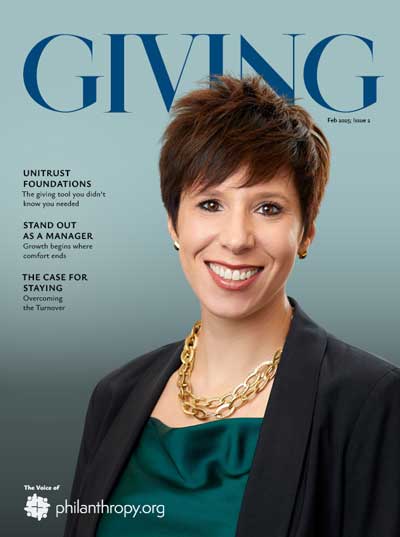
Viken Mikaelian is the founder of PlannedGiving.com, established in 1998. He has worked with more than 5,000 nonprofits, presented at over 500 conferences, published more than 1,500 articles and resources, and is the publisher of GIVING Magazine. He is also the author of How to Launch a Planned Giving Program: 21 Steps.
No venture capital. No investor pressure. No donor data to monetize. Just decades of experience helping nonprofits build planned giving programs that work.
The webinar will include a 60-minute presentation followed by a 30-minute live Q&A.
For those who drive change — not watch it. Join the top 1%.